
Pandemic-related moral distress of health-care practitioners
Researchers
Julia Smith, Haaris Tiwana
Key takeaways
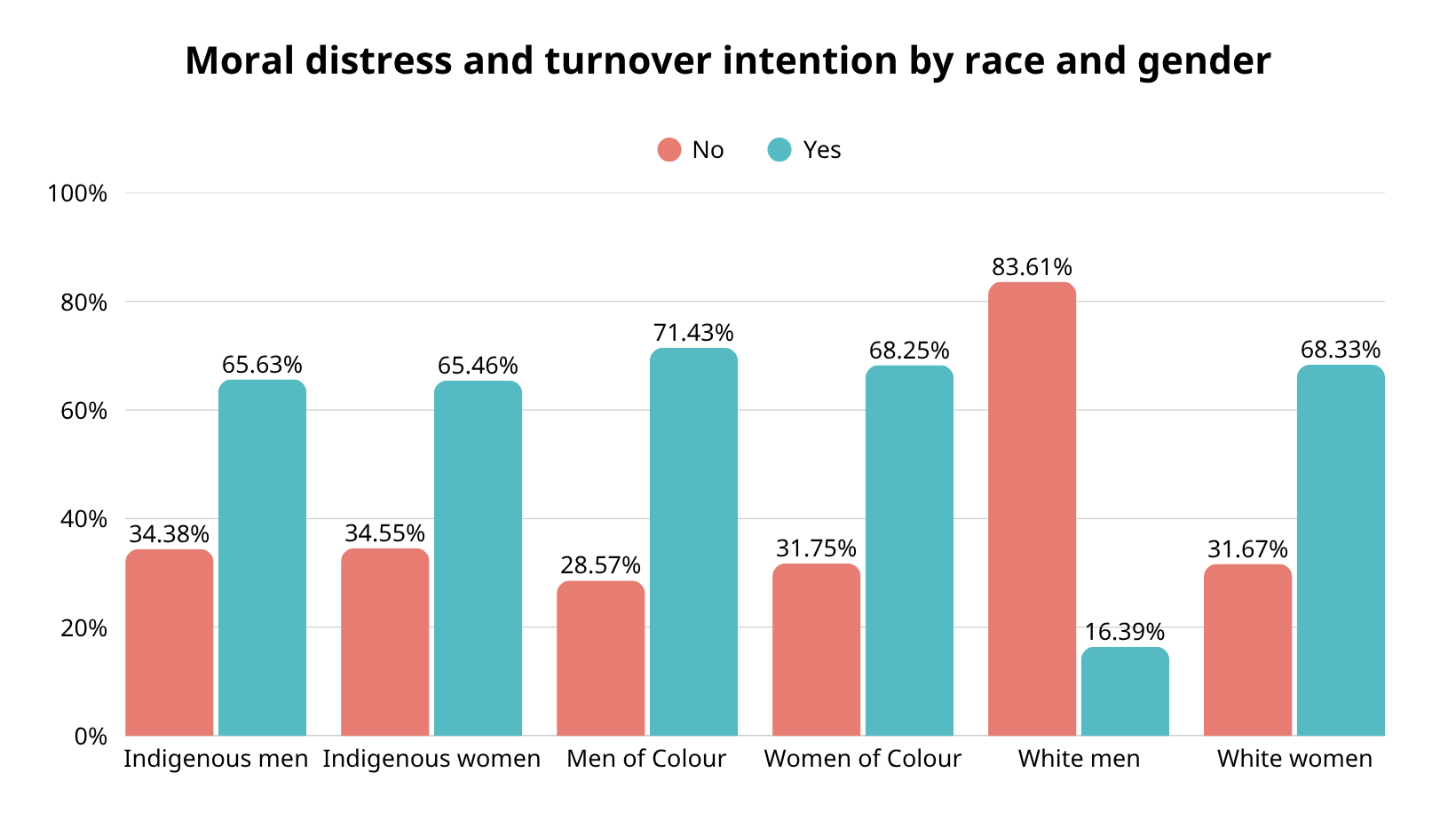
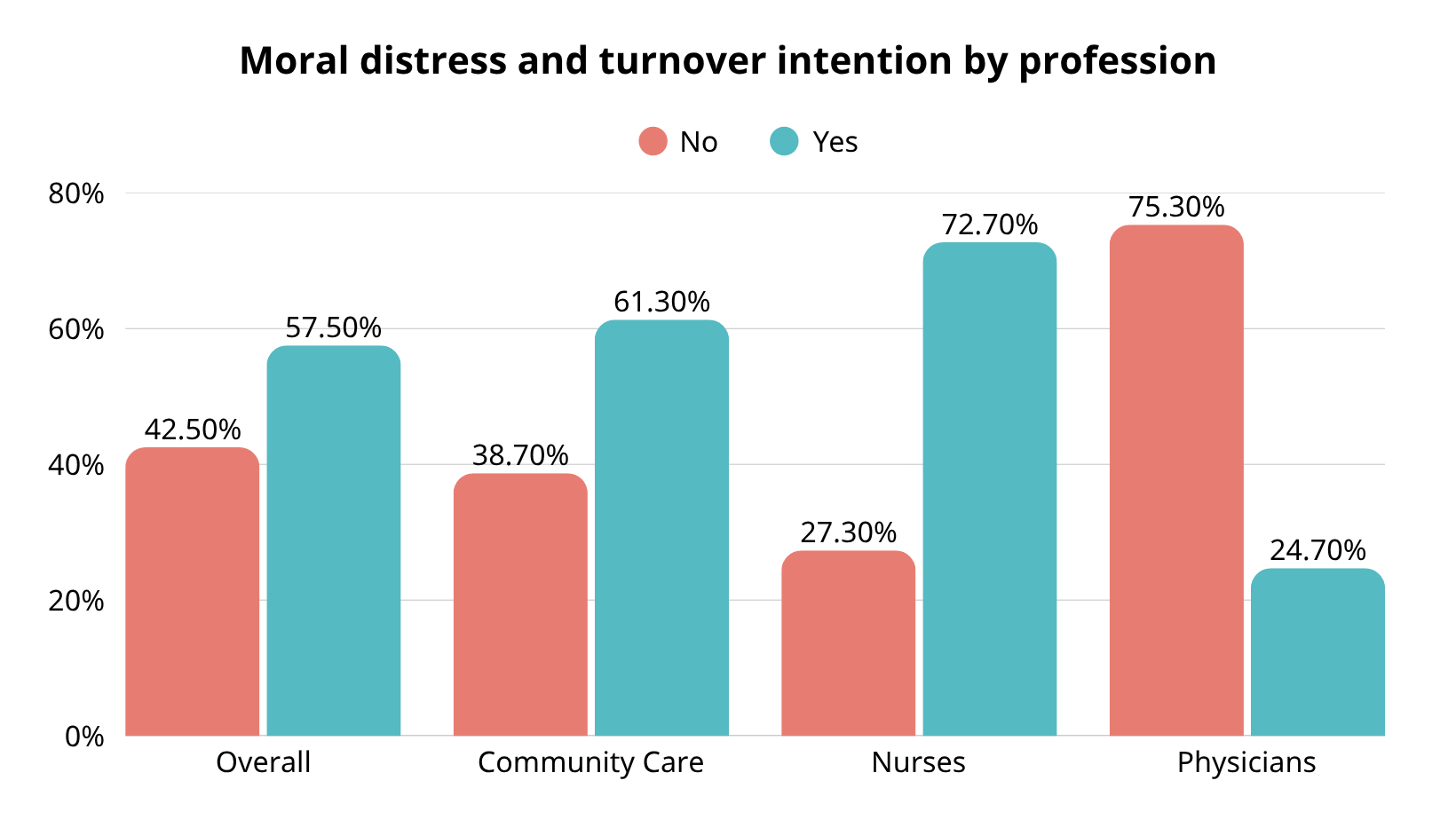
- Moral distress and turnover intention varied significantly by race and ethnicity, gender, and profession.
- Addressing moral distress in health care requires a comprehensive approach that includes involving health-care workers in decision-making, ensuring adequate staffing and resources, providing support and training, and educating leadership.
Overview
This project examines how COVID-19 intensified moral distress among health-care workers across both paid and unpaid care roles. Drawing on survey responses from more than 3,000 workers, it highlights how external constraints such as staffing shortages, limited resources, isolation policies, and caregiving demands affected workers’ ability to provide care they felt was ethically required. It also explores how moral distress varied by gender, race, and profession, and how it contributed to turnover intentions.
Moral distress is defined as the distress that occurs when one is unable to provide the care one feels is ethically required due to external constraints. It is associated with increased risk of anxiety and depression, burnout, and attrition. Pandemic response can create and exacerbate moral distress.
Examples of pandemic-related moral distress:
- Not being able to spend enough time with a patient due to staff shortages
- Lacking the PPE required to protect patients
- Having to isolate patients from loved ones
- Making decisions in context of scarce resources
Researchers analyzed survey responses from over 3,000 health-care workers (nurses, doctors, and in-home and community care professionals) to better understand moral distress relating to both paid and unpaid care (i.e. providing caregiving, support, or assistance to family, friends, and community members without compensation) during COVID-19. They also examined the link between experiences of moral distress and their intention to leave their job (turnover).
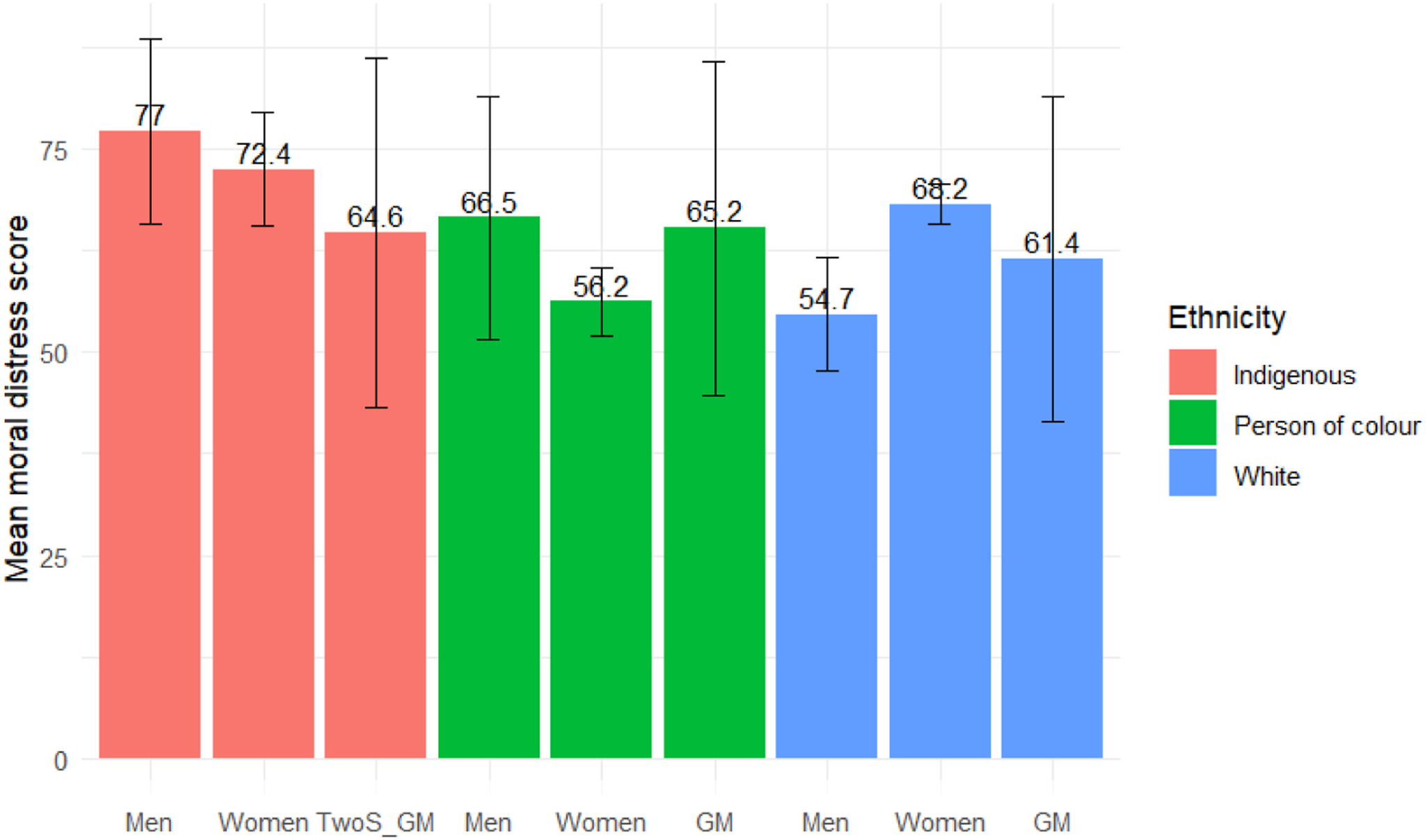
This research was unique in considering how experiences of moral distress differ across gender, ethnicity, and other social locations. For examples, findings show Indigenous men had significantly higher moral distress scores than other participants. This indicates a need for culturally grounded supports for Indigenous healthcare workers, and that more research is needed to better understand these differences.
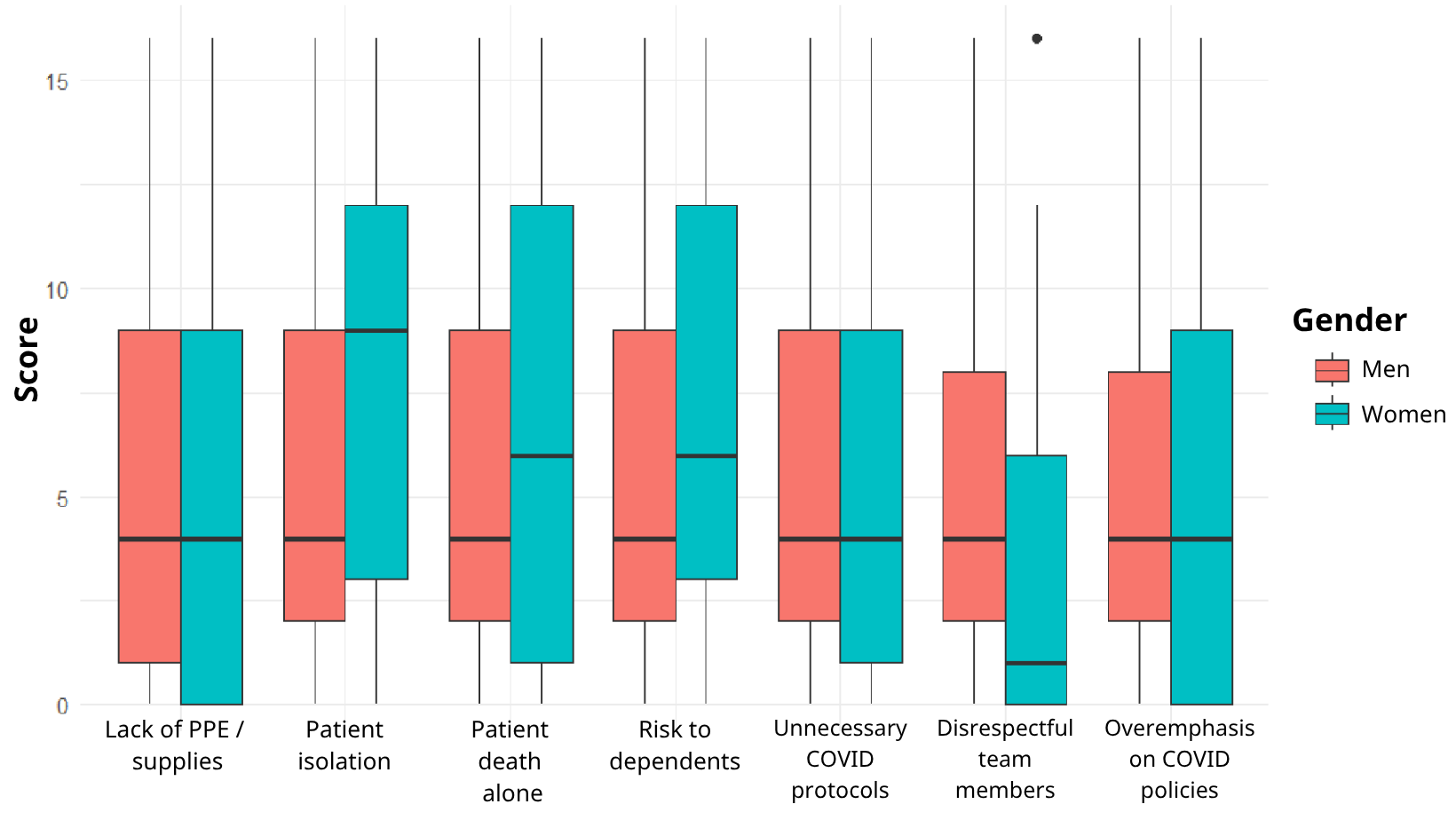
COVID-specific distress in the workplace by gender:
Women were significantly more concerned about caring for patients or residents who could not see their family or friends while in the facility, followed by caring for patients who presented transmission risk to their dependents.
Men were significantly more distressed by working with team members who did not treat those with COVID with dignity and respect.
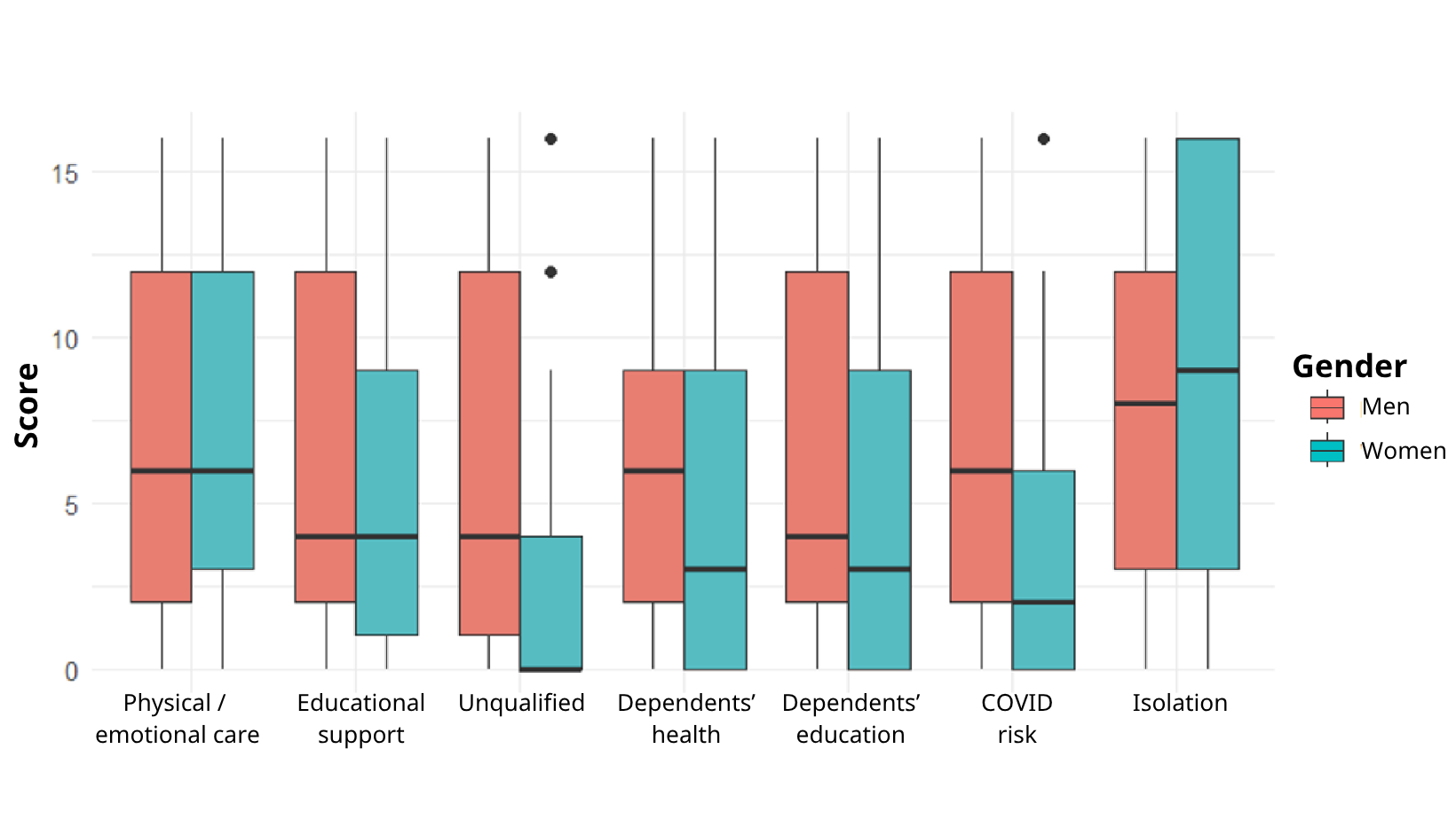
Unpaid care distress at home or in the community by gender:
Men had higher overall moral distress rates related to unpaid care, compared to women, particularly in terms of feeling unqualified to provide unpaid care.
Both genders were equally affected by having reduced contact with family and loved ones to reduce the risk of COVID transmission (the highest burden for both groups), and by the lack of time to provide the physical and emotional care and educational or other support their dependents needed.
Learn more:
- Moral distress related to paid and unpaid care among healthcare workers during the COVID-19 pandemic
Moral distress and turnover intention varied significantly by race, gender, and profession:
Strategies to address moral distress
- Include health-care workers in pandemic preparedness planning and response decision-making
- Provide paid time for self-care
- Address staffing and resource shortages
- Training on identifying and dealing with moral distress, vicarious trauma and related events
- Peer support networks
- Accountability mechanisms to address racism, sexism and all forms of discrimination
- Educate senior leadership about moral distress
Learn more: